


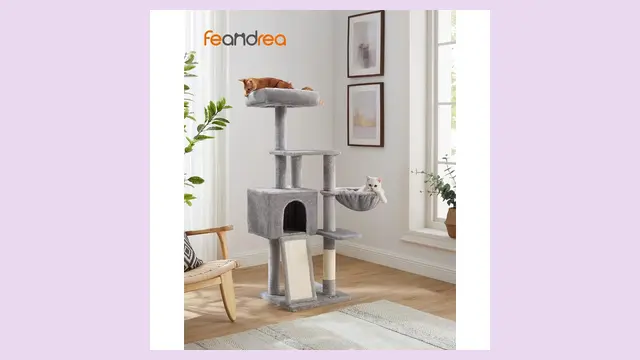
An outdoor cat gets smells, sun, climbing, prey movement and territory. It also gets cars, fights, parasites, toxins, extreme weather and disease exposure. An indoor cat avoids much of that risk, but only if the home is built like a cat can actually live in it: vertical space, scratching, play, food puzzles, litter boxes that feel safe and windows worth watching. So the real question is not indoor or outdoor in the abstract. It is how much risk you can manage and how much enrichment you will provide. Framing it as a management problem rather than a moral test is how PawProof approaches the whole indoor debate.
The framing here leans on the same public veterinary and welfare sources our byline names, and they land in roughly the same place. The ASPCA, the American Veterinary Medical Association and the Merck Veterinary Manual all treat indoor life as the safer default, then put the real work on making that indoor life rich enough to be worth living. None of this replaces your own veterinarian, who knows your cat, your street and your local parasite and predator pressure. Read it as a way to weigh the tradeoff, then build the actual plan with a vet who can see the cat.
The safety tradeoff owners need to name
Veterinary and welfare groups reach the same conclusion, and they do not hedge much about it. The Merck Veterinary Manual states flatly that it is "much safer for cats to stay indoors than to be allowed outside," and the ASPCA is just as direct that outdoor cats do not live as long as indoor cats. The reason is exposure. A cat outdoors trades a controlled room for cars, fights with other cats, raccoons and loose dogs, coyotes that are known to hunt cats, fleas and ticks, and a wider menu of infectious disease, every one of which the ASPCA and Merck name by hand. Indoors, most of that is simply not in the room.
Cars are the fast, unforgiving risk. The ASPCA lists trauma from vehicles alongside fights with other cats, raccoons and free-roaming dogs as core outdoor dangers, and none of it announces itself in advance (ASPCA).
Outdoor cats fight, and they get hunted. Coyotes are known to eat cats, and dense cat populations spread bites and abscesses, so more animals outside means more ways for a cat to get hurt (ASPCA, Merck).
A roamer is far more likely to pick up fleas, ticks and infectious disease, and to carry parasites back into the house and even to people, which is why prevention has to scale with access (ASPCA, Merck).
Merck flags eating harmful substances among the plain outdoor hazards, from antifreeze to rodenticide to toxic plants a cat never meets indoors. Extreme weather belongs on the same list (Merck).
Put a number on it and the gap is stark, if imprecise. The ASPCA keeps it qualitative, outdoor cats simply do not live as long, and widely cited veterinary estimates place a well-cared-for indoor cat at roughly 10 to 15 years or more, while a free-roaming cat is often estimated at only about 2 to 5. Treat those figures as estimates rather than promises in either direction, since one busy road or one unvaccinated season can move them fast. The exact number is not the point. The size of the difference is.
Indoors, the risks a cat meets are the ones you chose to let in. Outdoors, they are the ones the street decides to send.
Your cat, wildlife, and the neighbors
There is a second side to outdoor access that has nothing to do with your cat's safety and everything to do with what a cat is. Cats hunt. Merck notes that outdoor cats tend to kill wild birds and other small animals, and that unspayed or unneutered roamers breed and add to the stray population. The AVMA treats this as a genuine conservation and public-health question, and its free-roaming cat policy encourages owners to keep cats contained, in an enriched indoor home, in an outdoor enclosure or on a harness, specifically to reduce the impact on the cat, on wildlife, on people and on the environment (AVMA).
The scale is easy to underestimate. Researchers studying free-ranging cats in the United States have estimated the yearly toll on wildlife in the billions of birds and small mammals, an estimate large enough that veterinary and conservation groups now discuss outdoor cats as an ecological issue and not only a welfare one. Take the exact count as an estimate that shifts by study and region. The direction of it does not shift.
It is a neighbor question too. A roaming cat digs in gardens, sprays on porches and crosses roads that are not yours to manage, which is part of why the AVMA leans toward confinement over free roaming. At PawProof we read this the way we read the safety data, not as a verdict that a cat must never feel grass, but as a strong reason to keep outdoor time contained and supervised instead of open-ended.
Indoor life needs more than a food bowl
A bored indoor cat is not proof that cats need the street. It is proof that the home is underbuilt. The AAHA and AAFP feline guidelines make the trade explicit: an indoor-only life lowers the risk of injury, predators, poisoning and parasites, but it can raise the risk of obesity, stress and behavior problems when the environment is thin, so enrichment is not a nicety, it is the thing that makes indoor life work. The ASPCA agrees in plain terms, calling enrichment essential for cats and kittens of every age.
So build the room like a cat lives in it. Add vertical space with shelves or a tall tree, run short prey-style play sessions with a wand rather than one endless chase, and give real scratching outlets, which the ASPCA sizes at a sturdy post of at least three feet so a cat can stretch to full length. Rotate food puzzles so a meal takes some work, set a perch at a window for what shelters half-jokingly call bird TV, and keep litter and rest zones calm, since a stressed cat may quit the box, a problem we cover in why cats avoid the litter box.
- Give one more litter box than the number of cats when possible.
- Place scratching where the cat already stretches or marks.
- Use short, prey-like play sessions rather than endless chasing.
- Offer window perches and rotating puzzle feeders.
- Protect rest zones from dogs, toddlers and loud traffic.
For the hardware itself, our roundup of the best cat trees and scratchers walks through the heights, bases and materials cats actually commit to, so the vertical space you add is space they use.
Safer ways to give outdoor access
The middle ground is managed access, and it is exactly what the AVMA points owners toward when it names an outdoor enclosure or a leash-acclimated cat as ways to keep a cat contained while still letting it out (AVMA). A catio, a screened window box, a supervised garden session, harness training for the right temperament, or a stroller for the cats that tolerate one, each hands a cat sun, air and moving scenery without handing it the road.
A screened porch, window box or freestanding catio lets a cat smell the garden and watch birds with cars, coyotes and fights left outside the mesh. It asks nothing of the cat's temperament, which is why groups reach for it first (AVMA).
Acclimate the harness indoors before a door ever opens, reward calm, and keep first sessions to minutes. The ASPCA notes many cats are uneasy with a harness at first, so a slow indoor start separates a walk from a panic (ASPCA).
Short, watched sessions in a fenced yard suit confident cats. Keep it supervised, since an indoor cat outdoors should never be left alone, and bring it in before dusk when traffic and predators pick up.
Not every cat wants a harness, and forcing one grows fear, not confidence. Start indoors, use tiny sessions, and stop the moment the cat freezes, flattens or hides. For a cat that does get genuine outdoor time, a lightweight GPS tracker on a breakaway collar takes the guesswork out of where it wandered, though it is worth being honest that a tracker tells you where the risk is, it does not remove it.
The vet plan changes at the door
If your cat gets any outdoor access, your veterinarian needs to know, because the medical plan is not the same for a cat that goes out. Merck stresses that vaccines are chosen by a cat's lifestyle and location and that boosters run across its life, and a cat with outdoor exposure generally needs a broader flea, tick and parasite plan than a strictly indoor one (Merck). The AAHA and AAFP build the same logic into a lifestyle risk assessment, matching prevention to how and where a cat actually lives (AAHA).
This is the one part of the indoor-versus-outdoor question you should not settle from an article. Local parasite pressure, disease risk and even which vaccines make sense change from one zip code to the next, so bring your cat's real routine, indoor, outdoor or somewhere in between, to the exam and let the plan follow the cat. If outdoor access is new, say so, since the prevention that covered a homebody cat can leave a fresh roamer exposed.
How to choose for your cat
A confident former stray in a quiet rural area is a different case from a nervous apartment cat near a highway. Age, health, local predators, traffic, parasite pressure and your ability to enrich the home all matter. For most owners, the safest default is indoor life with serious enrichment and optional protected outdoor access. If your cat already roams, transition gradually rather than shutting the door overnight.
Keep risk low and stimulation high. Indoor-only can be a full life when the home lets a cat climb, scratch, hunt toys, hide and watch the world. Outdoor access is not automatically cruel or kind; unmanaged outdoor access is simply riskier. Build the environment before deciding the cat is the problem.
Common owner questions
No, not when the home does its share. The AAHA and AAFP guidelines note that indoor-only life lowers the risk of injury, predators, poisoning and parasites, but can raise the risk of obesity, stress and behavior problems if the space is thin, so the fix is enrichment, not the outdoors. Give a cat vertical space, scratching, daily play, hiding spots, food puzzles and good litter access, and indoor life is a full one. A bare indoor life is the real problem, not indoor safety itself.
Enough that it is the strongest single argument for indoor life. The ASPCA states plainly that outdoor cats do not live as long as indoor cats, and widely cited veterinary estimates put a well-cared-for indoor cat at roughly 10 to 15 years or more against only about 2 to 5 for a free-roaming cat. Treat those numbers as estimates that swing with traffic, predators and disease in your area, not guarantees. The gap comes from exposure, cars, fights, predators, poisons and infectious disease, almost all of which stay outside an indoor cat's door.
Yes, and it is one reason major veterinary groups lean toward confinement. The Merck Veterinary Manual notes that outdoor cats tend to kill wild birds and other small animals, and the AVMA treats free-roaming cats as a conservation and public-health issue, encouraging owners to keep cats in an enriched home, an enclosure or on a harness to reduce the impact on wildlife and the environment. Researchers estimate the yearly toll on United States wildlife in the billions of birds and small mammals; read the exact figure as an estimate, but the direction is not in doubt.
Often yes. Merck stresses that vaccines are chosen by a cat's lifestyle and location, with boosters across its life, and a cat with outdoor exposure usually needs a broader flea, tick and parasite plan than an indoor-only cat. Local risks vary by region, so the honest answer is to tell your veterinarian exactly how your cat lives, indoor, outdoor or in between, and let the vaccine and prevention plan follow that. If outdoor access is new, flag it, since yesterday's indoor plan may not cover a roamer.
A catio is an enclosed outdoor space, a screened porch, window box or freestanding pen, that lets a cat feel fresh air and watch the world while cars, predators and fights stay outside the mesh. For most cats it is plenty, and it is close to what the AVMA has in mind when it lists an outdoor enclosure as a way to keep a cat contained while still letting it out. It gives the sensory payoff of outdoors without the exposure, and unlike a harness it asks nothing of the cat's temperament.
Not any cat. Some take to it well, others freeze, flatten or panic. The ASPCA advises acclimating a cat to the harness indoors first, since many are uncomfortable with it at the start, then moving to quiet outdoor spots in short sessions. Start slowly, reward calm, and stop the moment the cat shows fear. If a harness never clicks, a catio or supervised enclosed time gives the same outdoor experience without forcing the issue.