


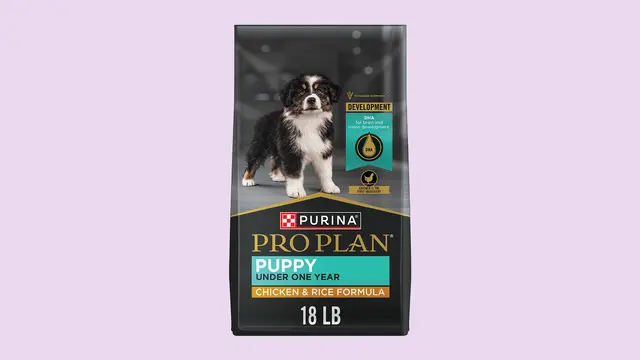
- Why puppy food is different
- Large-breed puppies
- When to switch
- Common questions
- Puppy food is built for controlled growth
- Large-breed puppies need extra care
- How to switch food
- Body condition beats the feeding chart
- Training treats count as food
- Como tomar a decisão final
- Casos-limite que mudam o veredito
- Final review before deciding
Puppies need food that supports growth, not just more of an adult recipe. Complete puppy diets are formulated for higher energy needs and the mineral balance required for developing bones. Adult maintenance food is not designed for that job. The label matters: look for an AAFCO statement for growth, or for all life stages when appropriate. For large-breed puppies, the statement should specifically fit growth of large-size dogs when the brand uses that wording.
Why puppy food is different
Growth diets usually carry more calories, protein, fat and controlled minerals than adult diets. That does not mean more is always better. Overfeeding a puppy can drive excess weight and stress developing joints. The goal is steady growth and a lean body condition, not the biggest puppy at the park.
Large-breed puppies need extra care
Large and giant breeds have a narrower margin for calcium and calories. Too much energy or mineral imbalance can contribute to orthopedic risk. Choose a diet labeled for large-breed puppy growth and keep treats inside the usual 10% calorie budget. If your puppy is a large breed, pair this guide with best puppy food.
| Dog size | Common switch window | What to watch |
|---|---|---|
| Small | around 9 to 12 months | weight gain after growth slows |
| Medium | around 12 months | body condition |
| Large | around 12 to 18 months | joint growth and calories |
| Giant | often 18 to 24 months | vet-guided timing |
When to switch to adult food
Switch when growth is mostly complete, not on a calendar alone. Small dogs mature earlier, giant breeds much later. Spay or neuter status can lower calorie needs, so some puppies start gaining weight before they are ready for adult food. In that case, adjust portions with your veterinarian rather than jumping diets blindly.
How to transition without upsetting the stomach
Move gradually over about 7 to 10 days: mostly old food at first, then half and half, then mostly new. Slow down if stool softens. Keep treats, toppers and table scraps steady during the transition so you know what caused any change. If vomiting, diarrhea or refusal persists, call your veterinarian.
Feed puppy food until your dog is near adult size for its breed, then transition slowly to adult maintenance. Large breeds deserve the most caution. The best sign you are on track is not a round puppy, it is steady growth with a lean waist and normal stool.
Puppy food is built for controlled growth
Puppies are not small adult dogs. They need energy, protein, minerals and digestibility that support growth without pushing it too fast. Adult food can be too low in key nutrients for a growing puppy, while the wrong puppy food can be too energy-dense for some large-breed dogs. The goal is steady body condition, not maximum size as fast as possible.
Use nutrition standards and veterinary guidance such as AVMA, AAHA, AAFCO, ASPCA, Cornell Feline Health Center, Merck Veterinary Manual e orientação veterinária individual. Look for a complete-and-balanced statement for growth, and for large-breed puppies choose food labeled for growth of large-size dogs when appropriate. Your veterinarian can adjust timing if your puppy is underweight, overweight, neutered early or has orthopedic risk.
| Dog size | Common switch window | Main caution |
|---|---|---|
| Toy/small | often around 9-12 months | avoid overfeeding tiny portions |
| Medium | often around 12 months | watch body condition |
| Large | often 12-18 months | controlled calcium/energy matters |
| Giant | may be 18-24 months | do not rush adult food |
| Mixed breed | estimate adult size with vet | adjust by growth curve |
Large-breed puppies need extra care
Large and giant breeds are more vulnerable to growth problems when calories and minerals are poorly matched. Free-feeding, frequent high-calorie extras and switching too early can all create problems. Keep the puppy lean enough to feel ribs with light pressure, and use treats as part of the daily calorie budget rather than extra fuel.
How to switch food
- Use a 7-10 day transition unless your vet advises otherwise.
- Mix mostly old food at first, then increase new food gradually.
- Watch stool, vomiting, itching and appetite.
- Do not switch during boarding, travel or another stressful week.
- Measure portions by calories, not just cups.
- Recheck body condition two to four weeks after switching.
Puppy food supports growth; adult food maintains an adult. Switch when growth, size and body condition say it is time, not when the bag runs out.
Body condition beats the feeding chart
Feeding charts are starting points. Puppies vary by breed, metabolism, neuter status, treats, training, illness and activity. Use body condition: ribs should be easy to feel under light cover, waist visible from above and belly tucked from the side. A round puppy is not automatically healthy; excess weight can stress growing joints.
Weigh the puppy regularly and adjust portions in small steps. If growth seems too fast, too slow, or uneven, ask your veterinarian rather than switching foods randomly. Growth problems are easier to prevent than correct.
Training treats count as food
Puppy training uses many rewards, which means treats can quietly replace balanced nutrition or add too many calories. Use part of the daily kibble for easy repetitions, keep high-value treats tiny, and avoid rich chews that upset the stomach. If more than a small share of calories comes from treats, the diet balance changes.
- Measure the day's food in the morning.
- Reserve some for training.
- Keep treats pea-sized or smaller.
- Avoid bones and hard chews that can break teeth.
- Do not add supplements unless your vet recommends them.
- Call the vet for persistent diarrhea or poor growth.
Como tomar a decisão final
The final decision should follow growth, size and body condition. Puppy food supports development; adult food maintains. Switching too early can shortchange growth, while staying too calorie-dense too long can add weight. The right moment is individual.
O ponto de qualidade aqui é transformar puppy nutrition em uma decisão verificável. O leitor deve sair sabendo o que medir, o que perguntar, que documento pedir e qual sinal interrompe a compra. Isso reduz conselho genérico e aumenta utilidade prática, especialmente em temas que mexem com dinheiro, segurança ou saúde.
Casos-limite que mudam o veredito
The plan changes for large breeds, giant breeds, early neutering, illness, poor growth, obesity risk and puppies eating many training treats. These cases need closer portion control and veterinary input.
Ask your veterinarian if your puppy is gaining too fast, too slowly, has chronic diarrhea, refuses food or belongs to a breed with orthopedic risk. Nutrition mistakes during growth matter.
- Use complete growth food.
- Measure portions.
- Track weight.
- Keep treats tiny.
- Transition slowly.
- Do not add calcium without advice.
Final review before deciding
Before deciding on puppy food switching, return to the practical job: support growth without excess weight. If the answer depends on assumptions, measure or test first. A useful decision makes clear what to watch, what to avoid and when to ask for help instead of guessing.
This matters most for large-breed puppies and dogs with digestive issues. In those cases, a weak choice can create stress, extra cost or safety risk later. The useful answer is rarely the most dramatic one; it is the one that keeps the daily routine safer, easier to monitor and easier to correct if something changes.
- Write down the baseline before changing things.
- Change one variable at a time.
- Watch the result for several days when possible.
- Do not ignore pain, fear, appetite or safety signs.
- Ask a professional when the stakes are medical or structural.
- Revisit the plan when age, routine or environment changes.
As a final check, compare the recommendation with the actual pet in front of you, not an average pet. Age, pain, stress, appetite, medical history and household layout can change the right answer. If a change affects health or safety, ask your veterinarian before treating it as a simple preference issue.
Common owner questions
Occasional bites are not an emergency, but adult maintenance food should not be the main diet for a growing puppy unless your veterinarian directs it.
Small dogs often switch around 9 to 12 months, medium around 12 months, large around 12 to 18 months and giant breeds later. Breed and growth rate matter.
It can be if the AAFCO statement covers growth, and for large puppies if it is appropriate for large-size growth. Check the exact label.
Use about 7 to 10 days for most puppies, slower if your dog has a sensitive stomach.